FSSAI License & Registration !

Simple, fast, and reliable FSSAI registration β€” from licensing to renewal and compliance, our experts handle it all for restaurants, cloud kitchens, packaged food, and e-commerce businesses.

πŸ₯— Introduction to FSSAI

The Food Safety and Standards Authority of India (FSSAI) πŸ›οΈ is the apex body ensuring the safety and quality of food across India. Established under the Food Safety and Standards Act, 2006, it operates under the Ministry of Health & Family Welfare, Government of India.

🍴 FSSAI sets scientific standards for food products and regulates their manufacturing, storage, distribution, sale, and import to ensure safe and hygienic food for consumers.

πŸ’‘ Its mission is to protect public health by promoting safe, nutritious, and high-quality food for everyone.


βš–οΈ Key Features of the FSSAI Act

  • πŸ›οΈ Single Line of Command: Centralised authority replacing multiple departments for unified food safety regulation.
  • 🌐 Integrated Response: Unified approach to address novel foods, nutraceuticals, GM foods, and international trade.
  • 🏭 Decentralised Licensing: Simplified and streamlined licensing for food manufacturing units.
  • βœ… Enhanced Consumer Confidence: Builds public trust in the safety and quality of food products.
  • πŸ§‘β€βš–οΈ State Enforcement: Implemented by State Governments and local bodies through designated officials.
  • πŸ“‹ Shift to Self-Compliance: Promotes voluntary compliance through strong food safety management systems.
  • 🌍 International Alignment: Harmonises Indian food standards with global practices while ensuring public health.
  • πŸ“’ Consumer Awareness: Encourages informed choices through better information dissemination.
  • ⚑ Expedited Case Resolution: Allows compounding and adjudication to ensure faster case disposal.
  • βš–οΈ Graded Penalties: Introduces proportionate penalties based on the seriousness of the offence.

🧾 Integrated Acts under the FSSAI Act, 2006

Ensuring Every Bite is Safe – FSSAI, Your Trust in Every Taste!

1523435163828

01

Prevention of Food Adulteration Act, 1954

Under this Act, the government laid down strict standards for food quality, prohibited the manufacture, sale, and distribution of unsafe or substandard food, and provided mechanisms for food sampling, inspection, and prosecution of offenders.

02

Fruit Products Order, 1955

The Fruit Products Order (FPO), 1955 was introduced under the Essential Commodities Act, 1955 to regulate the manufacture, quality, and sale of processed fruit and vegetable products in India.
It ensured that items like fruit jams, squashes, juices, pickles, sauces, and canned fruits met prescribed standards of hygiene, labeling, and quality before reaching consumers.

istockphoto 145850543 612x612 1
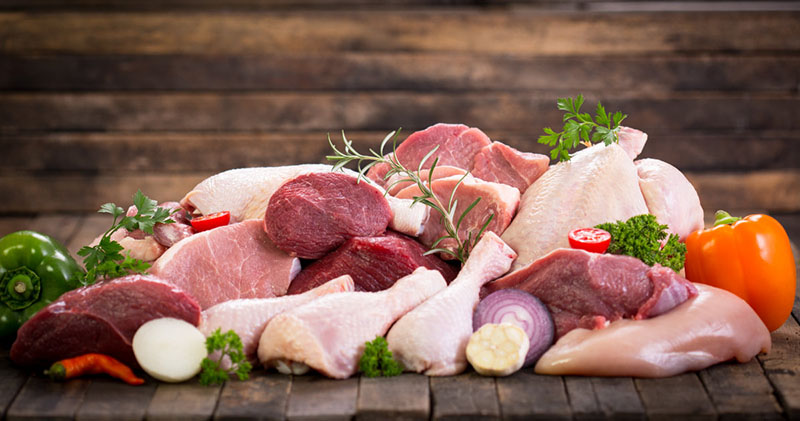
meat adulteration testing

03

Meat Food Products Order, 1973

The Meat Food Products Order (MFPO), 1973 was issued under the Essential Commodities Act, 1955 to regulate the manufacture, processing, storage, and distribution of meat and meat-based products in India.
It aimed to ensure that all meat products β€” such as sausages, canned meat, and frozen items β€” were safe, hygienic, and of good quality for human consumption.

04

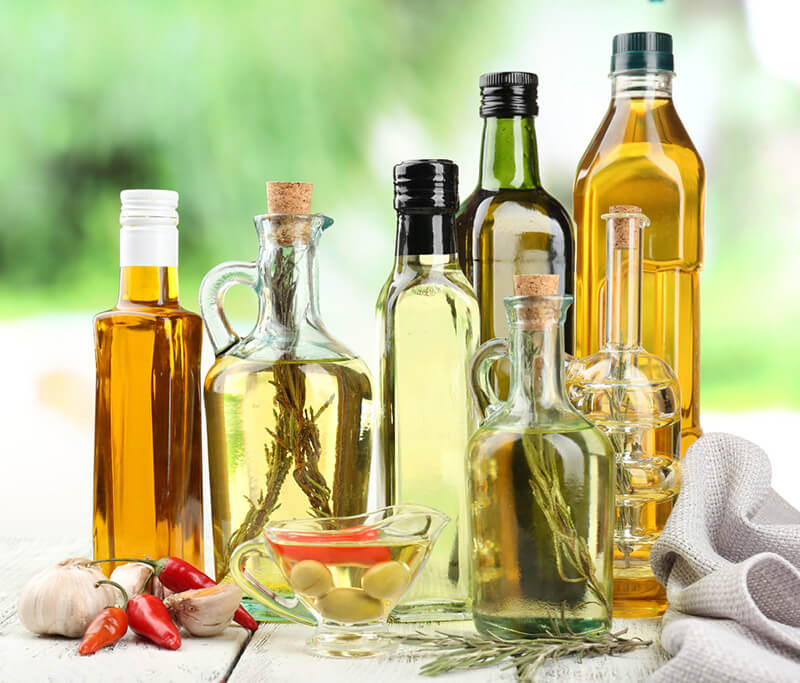
Vegetable Oil Products (Control) Order, 1947

The Vegetable Oil Products (Control) Order, 1947 was a government order aimed at regulating the production, supply, quality, and price of edible oils in India.
It ensured consumer protection, fair trade, and proper distribution, laying the groundwork for modern food safety regulation.

Fresh garlic and lemon with olive oil bottles, perfect for Italian cuisine. Captures freshness and flavor.
edible oil adulteration testing

05

Edible Oils Packaging (Regulation) Order, 1998

The Edible Oils Packaging (Regulation) Order, 1998 was introduced to regulate the packaging and labeling of edible oils in India, ensuring consumer safety, accurate information, hygiene, and uniform standards.
By mandating clear labeling, hygienic packaging, and quality assurance, it not only protected public health but also encouraged fair competition among manufacturers.

06

Solvent Extracted Oil, De-oiled Meal & Edible Flour (Control) Order, 1967

The Solvent Extracted Oil, De-oiled Meal & Edible Flour (Control) Order, 1967 regulated production, quality, distribution, and pricing of solvent-extracted oils, de-oiled meals, and edible flours.
It aimed to protect consumers, livestock farmers, and fair trade, while establishing standards that influenced modern food safety regulations.

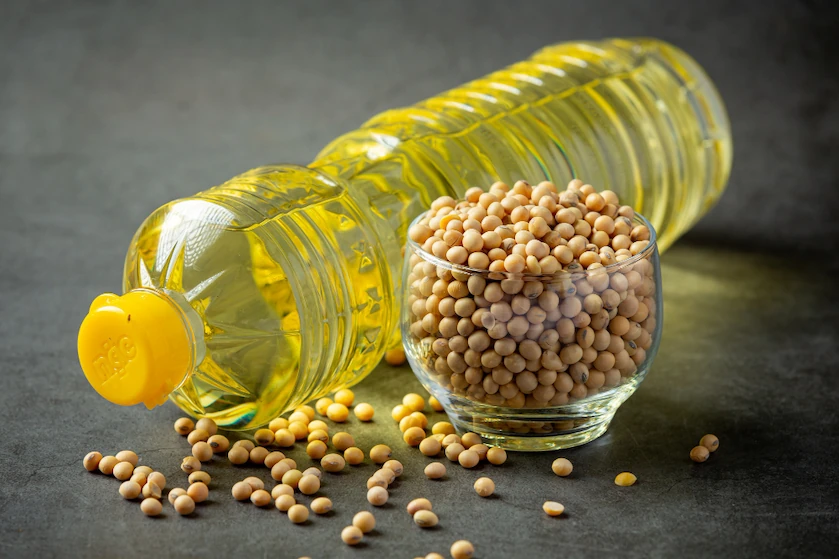
soybean oil as the most widely used edible oil worldwide
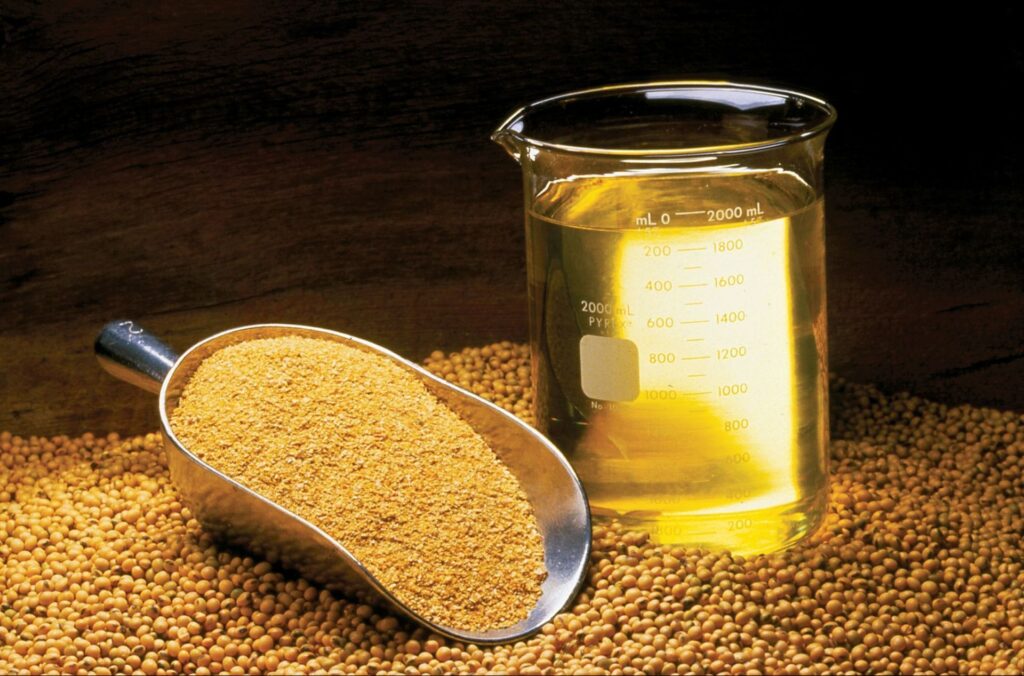
refined soybean oil

07

Any other order under the Essential Commodities Act, 1955 relating to food

Under the Essential Commodities Act, 1955, orders like the Vegetable Oil, Fruit Products, Solvent Extracted Oil, Meat Products, and Edible Oils Packaging Orders regulate food to ensure quality, prevent adulteration, and control prices.


FSSAI Regulatory Framework

  • Collaboration: FSSAI ensures coordination between the central government (Food Authority), state governments (State Food Safety Authorities), and food industry stakeholders to maintain food safety.
  • Scientific Committee: Composed of heads of Scientific Panels and independent experts, providing guidance on complex, cross-cutting food safety issues.
  • Scientific Panels:16 specialized panels focus on different areas of food safety, including:
    1. Food Additives
    2. Pesticide Residues
    3. Genetically Modified (GM) Food
    4. Biological Hazards
    5. Food Labeling
    6. Functional Foods
    7. Methods of Food Sampling
    8. Contaminants in Food
    9. Fish & Fishery Products
    10. Milk & Milk Products
    11. Meat & Meat Products (including Poultry)
    12. Cereals, Pulses & Legumes (including Bakery Products)
    13. Fruits & Vegetables (including Dried Fruits & Nuts)
    14. Salt, Spices & Condiments
    15. Oils & Fats
    16. Sweets, Confectionery & Sweeteners (including Sugar & Honey)
    17. Water & Beverages (alcoholic & non-alcoholic)
  • Purpose: This framework ensures science-based decision-making, promotes food safety, and supports regulation and standardization across the food industry.

Simplifying Everyday Life

Frequently Asked Questions

Find answers to commonly asked questions about our products and services.